Sunflower Seeds
Ai Weiwei, 2010
Overview
About This Work
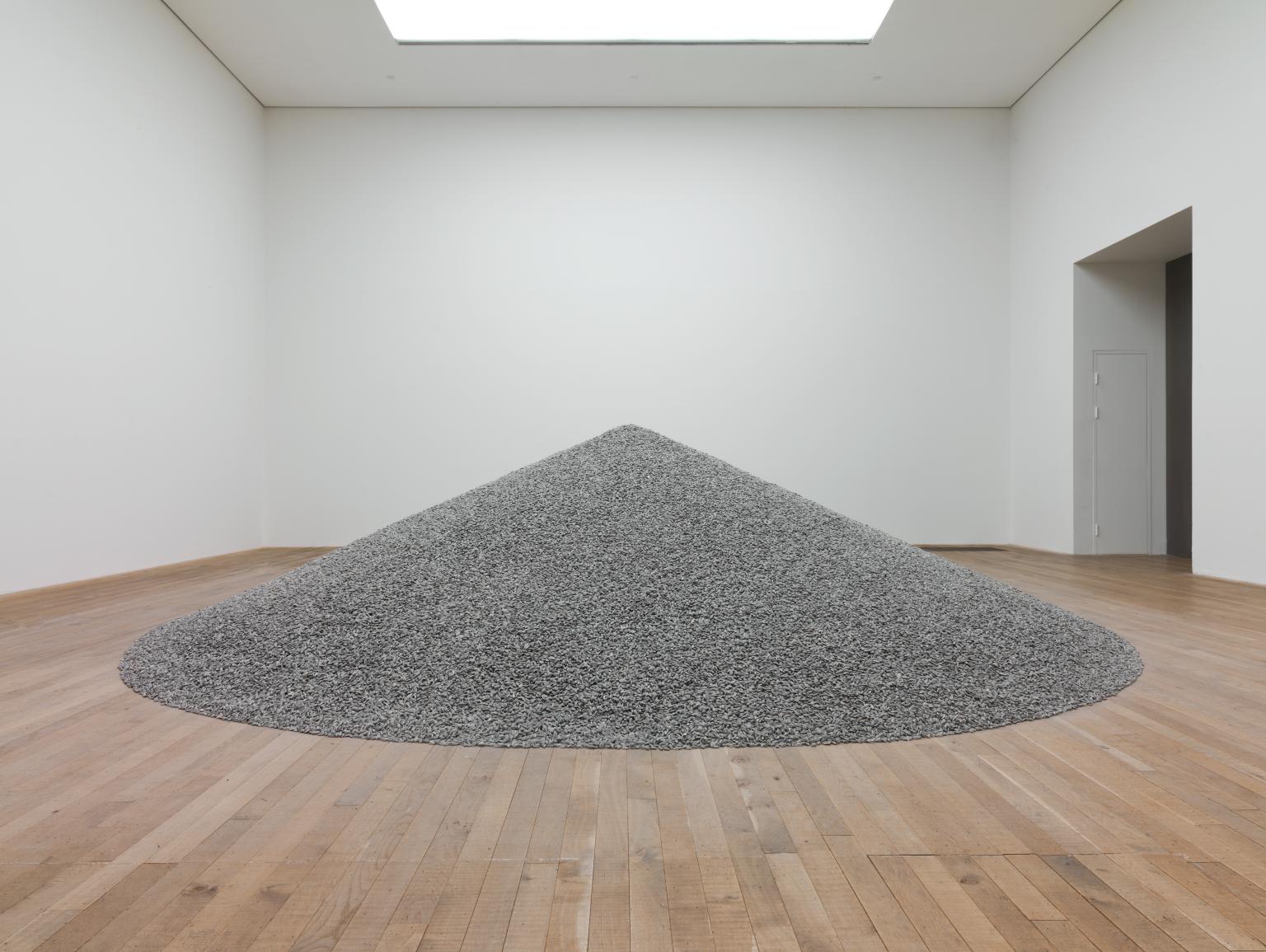
Sunflower Seeds (Kui Hua Zi, 2010) is a monumental contemporary art installation by Chinese artist and activist Ai Weiwei, one of the most politically significant artworks of the 21st century. First exhibited at Tate Modern, London (October 2010–May 2011) in the iconic Turbine Hall, the work comprises 100 million individually hand-crafted porcelain sunflower seeds covering approximately 1,000 square metres to a depth of 10 centimetres, totalling over 150 tonnes. Each seed was meticulously hand-modelled, hand-painted with black slip (liquid clay), and kiln-fired by more than 1,600 skilled artisans working in Jingdezhen, China's historic "Porcelain Capital," over a period of two and a half years. From a distance, the installation appears as a unified grey floor; upon close examination, each seed reveals individual variation and hand-crafted particularity. The work operates simultaneously as a meditation on individuality vs. collectivity, a critique of Chinese authoritarianism, a commentary on mass production and global labour, and a homage to Ai's childhood experiences of poverty during the Cultural Revolution. The work achieved additional notoriety when Ai was arrested at Beijing Capital International Airport on April 3, 2011—during the Tate exhibition—and detained for 81 days without charges. This political imprisonment transformed the artwork from aesthetic object to symbol of artistic freedom and resistance to censorship.