History o' Phoeart
  • Home

Nature

  • Overview
  • Landscape or Seascape in 2D
  • Animals in 2D or 3D
  • The Elements (Fire, Water, Wind or Earth) in 2D or 3D
  • The Relationship between Man/Woman and Nature in 2D or 3D

Identity

  • Overview
  • The Divine in 2D or 3D Works
  • Portraits in 2D Works
  • Portraits in 3D Works
  • Gender Identity in 2D or 3D Works

Renaissance

  • Overview
  • Religious Painting
  • Religious Sculpture
  • Mythological in 2D or 3D
  • Portraits in 2D or 3D

Baroque

  • Overview
  • Religious Painting
  • Religious Sculpture
  • Mythological Painting
  • Mythological Sculpture

About

A comprehensive study resource for Pearson Edexcel History of Art A-Level.

NatureIdentityRenaissanceBaroque

History o' Phoeart - A-Level Study Resource

Pearson Edexcel Specification • Use ⌘K to search

  1. Home
  2. Paper 1
  3. Identity
  4. The Divine in 2D or 3D Works
  5. Tara
Paper 1Identity
Identity
The Divine in 2D or 3D Works
Pre-1850
Tara

Tara

Unknown

Christ with the Woman Taken in Adultery

Christ with the Woman Taken in Adultery

Rembrandt

The Ascoli Annunciation

The Ascoli Annunciation

Carlo Crivelli

Post-1850
Portraits in 2D Works
Portraits in 3D Works
Gender Identity in 2D or 3D Works
Ethnic Identity in 2D or 3D Works
Identity in Architectural Works

6 scopes • 24 artworks

Tara

Unknown, c.700AD
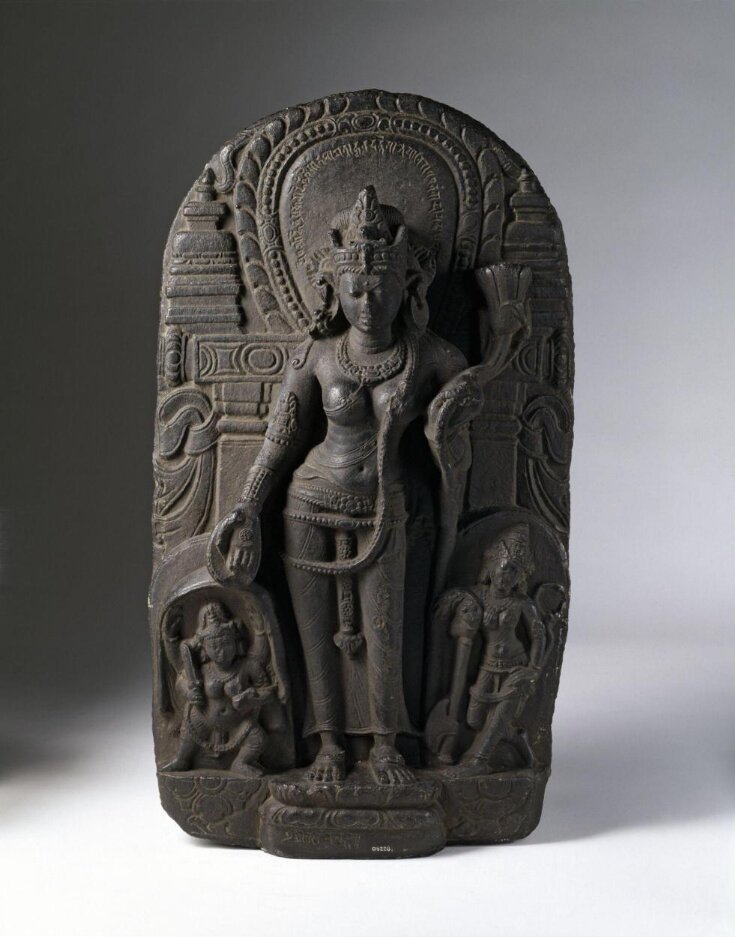
IdentityPre-1850
Tara by Unknown
Tara, Unknown artist, c. 700 AD, gilded bronze, Himalayan region (likely Nepal or Tibet)

Overview

About This Work

Tara (c. 700 AD) is a standing bronze figure of the Buddhist goddess Tara, one of the most important female deities in Mahayana and Vajrayana Buddhism. The sculpture dates to approximately the 7th–8th century and represents either the renowned British Museum example (height approximately 60 cm) or similar contemporary works from Nepal, Tibet, or Sri Lanka. Cast in bronze and gilded with gold, the sculpture depicts Tara in standing posture with her characteristic gesture of compassion (varada mudra)—her right hand extended in a gesture of giving and blessing. The figure combines spiritual authority with sensual beauty: Tara wears an elaborate crown (jatamukuta), jewellery, and a diaphanous skirt, presenting her as both divine and accessible. The work exemplifies the sophisticated metal-casting techniques developed in the Himalayan region, particularly by Newar artisans of Nepal. Tara was originally one of the most venerated deities in eastern Indian Buddhism (particularly in Bengal), and her cult spread to Tibet in the 11th century through the Buddhist teacher Atisha, becoming central to Tibetan Buddhist practice. The sculpture functions not merely as representational art but as a devotional focus for meditation, believed to embody and transmit the compassion and wisdom Tara represents.

Visual Analysis

Composition

The Standing Posture: Unlike many Buddhist deities depicted seated in meditation (asana), Tara stands in an active, dynamic posture. Her weight is slightly shifted, creating a subtle S-curve that conveys readiness and potential movement. This standing posture distinguishes Tara as an active, intervening force rather than a passive, contemplative presence. The Varada Mudra (Gesture of Giving): Tara's right hand is extended downward in the varada mudra, the gesture of granting boons and offering compassion. The palm faces outward, offering protection and assistance to devotees. This gesture is fundamental to understanding Tara's role as a "saviour goddess" who actively intervenes to alleviate suffering. The Crown (Jatamukuta): The elaborate crown features a high tubular structure adorned with a central medallion, typically set with precious stones (now often missing). The crown's presence signals divine authority and transcendent status. In some representations, the crown contains a small image of a Buddha, further asserting Tara's connection to enlightenment. Jewellery and Adornment: Tara wears elaborate jewellery—ear ornaments, necklaces, armlets, and bracelets—indicating her royal status and worldly beauty. Paradoxically, while Buddhism traditionally emphasizes renunciation of worldly attachments, Tara is presented as supremely beautiful and adorned. This represents the paradox of enlightenment: spiritual perfection manifests as sensual beauty. The Lotus (Implicit Reference): While some examples include Tara holding a lotus, the flower is frequently referenced symbolically. The lotus—emerging pure and unsullied from muddy water—is the preeminent Buddhist symbol of enlightenment transcending worldly attachment.

Colour & Light

Gilded Bronze Surface: The sculpture is cast in bronze (a copper-tin alloy) and then gilded (covered with a thin layer of gold) using the traditional mercury amalgam method. The gold gilding is not merely decorative but carries profound spiritual significance: gold represents the incorruptibility and purity of the Buddha-nature within all beings. The transformation of base metal into the appearance of precious gold mirrors the spiritual transformation promised by Tara's teachings. The Gilding Process (Fire Gilding): Traditional Nepalese artisans employed a sophisticated technique where pure gold is mixed with mercury to create a paste-like amalgam, which is applied to the bronze surface and then heated. As mercury evaporates, a durable layer of pure gold remains. This labour-intensive, technically demanding process demonstrates the artisan's respect and devotion toward the spiritual subject. Patina and Age: Over more than 1,300 years, the gilding has worn unevenly, revealing the bronze beneath. This visible aging—the gilding flaking or darkening in places—is not regarded as damage but as evidence of the sculpture's authenticity and sacred history. The wear patterns document centuries of worship and handling. The Eyes: The eyes are typically rendered with careful attention to convey both compassion and wisdom. They are often set with precious materials (semi-precious stones) or simply carved with a gaze directed downward or inward, suggesting serene inner knowledge rather than external authority.

Materials & Technique

Lost-Wax Bronze Casting: The sculpture was created using the cire perdue (lost-wax) casting method, one of the most sophisticated bronze-casting techniques available in the ancient world. The process involves: Creating a detailed wax model matching the desired form. Encasing the wax model in clay moulds with carefully positioned vents. Heating the assembly, causing the wax to melt and drain away, leaving a hollow cavity. Pouring molten bronze into the cavity. Allowing the bronze to cool and solidify. Breaking away the outer clay mould to reveal the bronze sculpture. Fine Detail Work: The lost-wax technique allowed artisans to achieve extraordinary detail—the delicate fold of fabric, the precise geometry of jewellery, the individual curls of the elaborate hairstyle. Such detail could not be achieved through other metal-casting methods available at the time. Post-Casting Refinement: After casting, the sculpture underwent extensive chasing (refining details with hand tools) and burnishing (smoothing and polishing). This post-casting work refined the surface and prepared it for gilding.

Historical Context

Context

Origins and Spread of Tara Worship: Tara's cult likely originated in Bengal (eastern India) in the 6th–7th centuries, emerging within the Mahayana Buddhist tradition that recognized and venerated multiple deities alongside or as manifestations of the Buddha. Early references appear in 7th-century Sanskrit texts. She was worshipped in the important Buddhist monastic complexes of Nalanda and Vikramshila in Bihar, northern India. Transmission to Tibet (11th Century): The crucial turning point came when the Bengali Buddhist scholar Atisha (982–1054 CE) travelled to Tibet in 1042 and introduced Tara worship to Tibetan Buddhists. Atisha composed the influential text Praises of the Twenty-One Taras, which systematized Tara theology. Through Atisha, Tara became central to Tibetan Buddhism, particularly within the Gelug school (founded by Je Tsongkhapa in the 14th century). The Two Forms: By the medieval period, two primary forms emerged: Green Tara (swift, active, associated with action and vitality) and White Tara (peaceful, healing, associated with longevity and compassion). Green Tara is typically shown in active stance; White Tara seated in meditation. The sculpture under consideration likely represents one of these canonical forms. Feminine Divine in Buddhism: Tara represents the rare prominence of feminine divinity in Buddhist theology. While Buddhism traditionally emphasized the renunciate (monastic) ideal and often marginalized women, Tara—as a powerful, independent goddess—provided an alternative model. She is sometimes called the "Mother of All Buddhas" and "Wisdom Goddess," asserting feminine power within the Buddhist pantheon. Newar Artisan Tradition: The sophisticated metal-casting technique reflects the remarkable skill of Newar metalworkers from Nepal, who became the primary artisans producing Buddhist sculptures for Tibetan, Nepalese, and Himalayan monasteries. The Newars' expertise in bronze casting—refined over centuries—became legendary, and their workshops continued producing statues into the modern era.

Key Themes

Connection to Nature (Compassion, Active Intervention, Feminine Divinity)

The Lotus Metaphor: Tara is intimately associated with the lotus flower, which grows in muddy water yet produces unblemished, pure blooms. This metaphor perfectly captures Tara's spiritual function: she operates within the world of suffering and attachment (the mud) yet remains pure and offers transcendence (the flower). Her beauty is not separate from but emerges within the world of suffering. Compassion as Active Force: Unlike abstract spiritual qualities, Tara's compassion is depicted as active intervention. She is not passive and distant but immediately responsive to suffering. The extended right hand is a gesture of action—she actively reaches out, assists, and protects. This represents a fundamentally different relationship to spirituality than withdrawal from the world. The Feminine Divine: The emphasis on Tara's beauty, jewellery, and sensuality—traditionally coded as "feminine"—is theologically significant. Rather than privileging ascetic renunciation (the traditional Buddhist path), Tara suggests that enlightenment can manifest through beauty, grace, and nurturing compassion. This elevates traditionally "feminine" qualities as spiritually ultimate. Protection from Suffering: Tara is invoked as protection from the "eight great fears" (ignorance, hatred, anger, jealousy, false views, pride, miserliness, and doubt). Her devotees appeal to her for deliverance from both external dangers and internal psychological afflictions. She represents the possibility of transcending suffering through wisdom and compassion.

Exam Focus Points

Critical Perspectives

Representation and Worship: The sculpture functions as a sacred object for meditation and worship, not merely as representational art for aesthetic contemplation. To understand it, viewers must recognize that the sculpture is believed to embody the deity's presence—it is not merely a picture of Tara but a vessel for her compassion and wisdom. This challenges Western distinctions between art and religious practice. Feminine Power in Buddhism: Tara represents a crucial exception to the historical marginalization of women in Buddhist institutional structures. While Buddhist monasticism was (and remains) male-dominated, Tara worship offered female devotees direct access to a powerful, autonomous feminine deity. She is not subordinate to male deities but independent and supreme. This provides rich material for discussions of gender in religious practice. Cultural Specificity vs. Universal Appeal: Tara worship emerged in specific cultural contexts (Bengal, Tibet, Nepal) yet developed universal appeal—she is now venerated by Buddhist practitioners globally. The sculpture represents the circulation of religious iconography across cultures. Does this represent authentic spiritual transmission or appropriation? How do symbols migrate and transform across cultural contexts? Material Transformation and Spiritual Meaning: The gilding process—base metal transformed into precious gold—mirrors the spiritual transformation promised by Tara's teachings. The sculpture itself enacts the spiritual message: the base metal of ordinary existence (bronze) is transfigured into the precious (gold), representing enlightenment. This creates profound unity between form and meaning. The Original Context: The sculpture was originally housed in a monastery or shrine, positioned as a focus for devotional practice. Modern viewers encounter it in museums, stripped of this ritualistic context. Does museum display illuminate or obscure the sculpture's meaning? How does placing a sacred object in a secular institutional space change its significance? Comparison to Other Female Deities: Tara differs significantly from idealized female figures in Western art (e.g., Renaissance Madonnas). While Western idealized femininity often emphasizes passivity and nurturing within patriarchal structures, Tara actively intervenes, protects, and teaches. Her beauty is not subordinate to male authority but expresses her own divine power.

On this page

OverviewVisual AnalysisHistorical ContextKey ThemesExam Focus Points